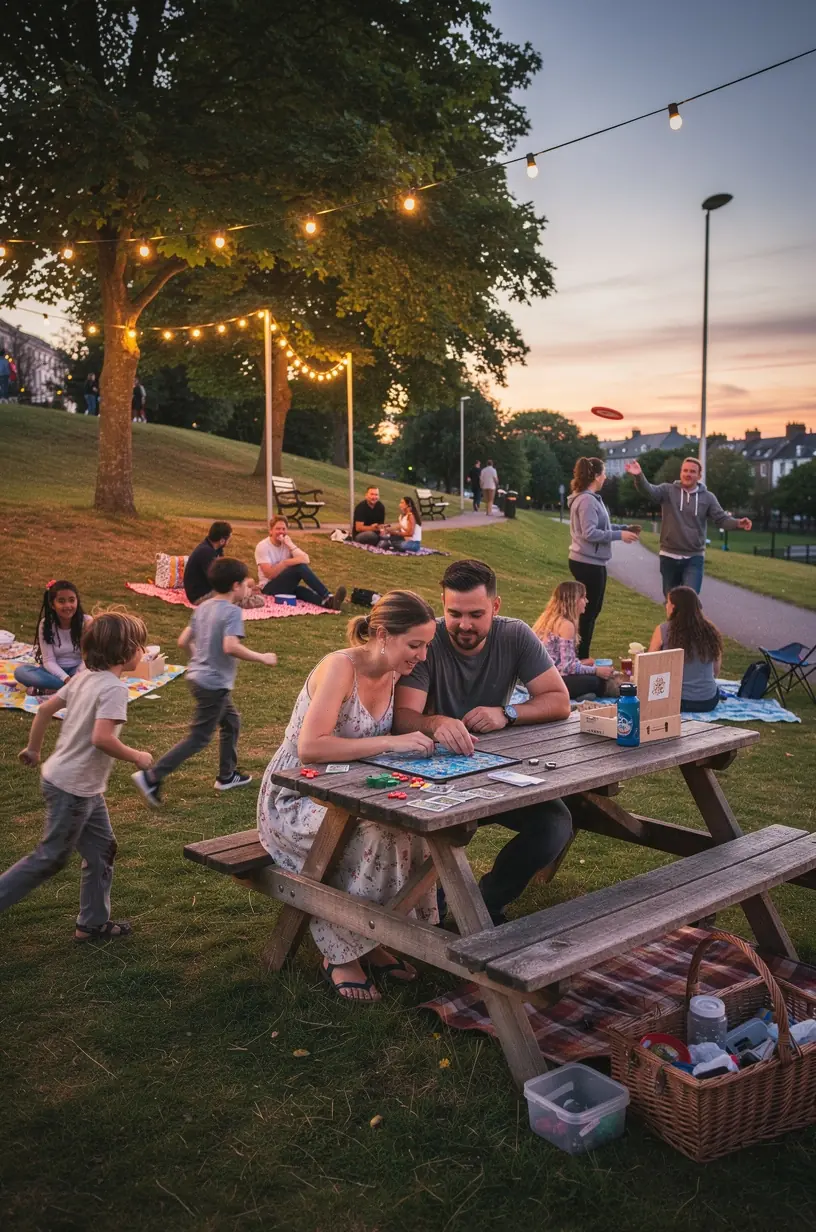
Exploring the Role of Community Events in Neighborhood Engagement
Community events play a crucial role in fostering engagement and connection among residents. They offer opportunities for collaboration, cultural exchange, and the development of social ties, which can greatly enrich neighborhood life.
Understanding the Importance of Community Engagement
According to research conducted by the National Community Engagement Institute, effective community engagement can lead to increased civic participation and improved community well-being. Engagement events not only bring residents together but also provide a platform for sharing ideas and addressing local concerns.

"Communities that actively engage their residents tend to have higher levels of trust and cooperation among neighbors." - Community Development Expert
The Benefits of Local Events
Neighborhood events can take many forms—ranging from music salons and discussion clubs to ticketed activities such as games and workshops. These gatherings can:
- Foster Social Connections: Engaging in community events helps individuals build relationships. Studies show that people who participate in community activities often report feeling more connected to their neighbors.
- Encourage Cultural Exchange: Events that showcase local music, art, or discussion topics can promote cultural understanding and diversity, enriching the community’s identity.
- Facilitate Problem-Solving: Bringing residents together provides a forum for discussing local issues and brainstorming solutions collaboratively.
How Community Events Work
The methodology behind successful community events typically involves several key principles:
- Needs Assessment: Organizers often begin by assessing the interests and needs of the community through surveys and informal discussions.
- Effective Planning: Once needs are identified, planning involves setting realistic timelines, allocating resources, and ensuring there are activities suitable for various demographics.
- Active Promotion: Leveraging social media and local networks can maximize outreach. Studies suggest that effective communication is essential to attracting attendees.
Acknowledging Limitations
While community events can significantly enhance neighborhood engagement, they also have limitations:
- Organizing events requires a considerable time commitment—often taking several weeks to plan effectively.
- Participation may vary; not all events will attract large crowds, which can influence their overall impact.
- It’s important to note that some residents may have prior commitments or feel hesitant to engage in new social situations.
Conclusion
In summary, community events serve as a powerful tool for enhancing neighborhood engagement. They can foster connections, promote cultural exchange, and empower residents to address local issues. However, it's essential to approach engagement efforts with realistic expectations and an understanding of the challenges that may arise.
By prioritizing educational value while promoting local activities, we can contribute to a vibrant and connected community. Consider attending or organizing an event in your neighborhood to experience these benefits firsthand.
Learn More